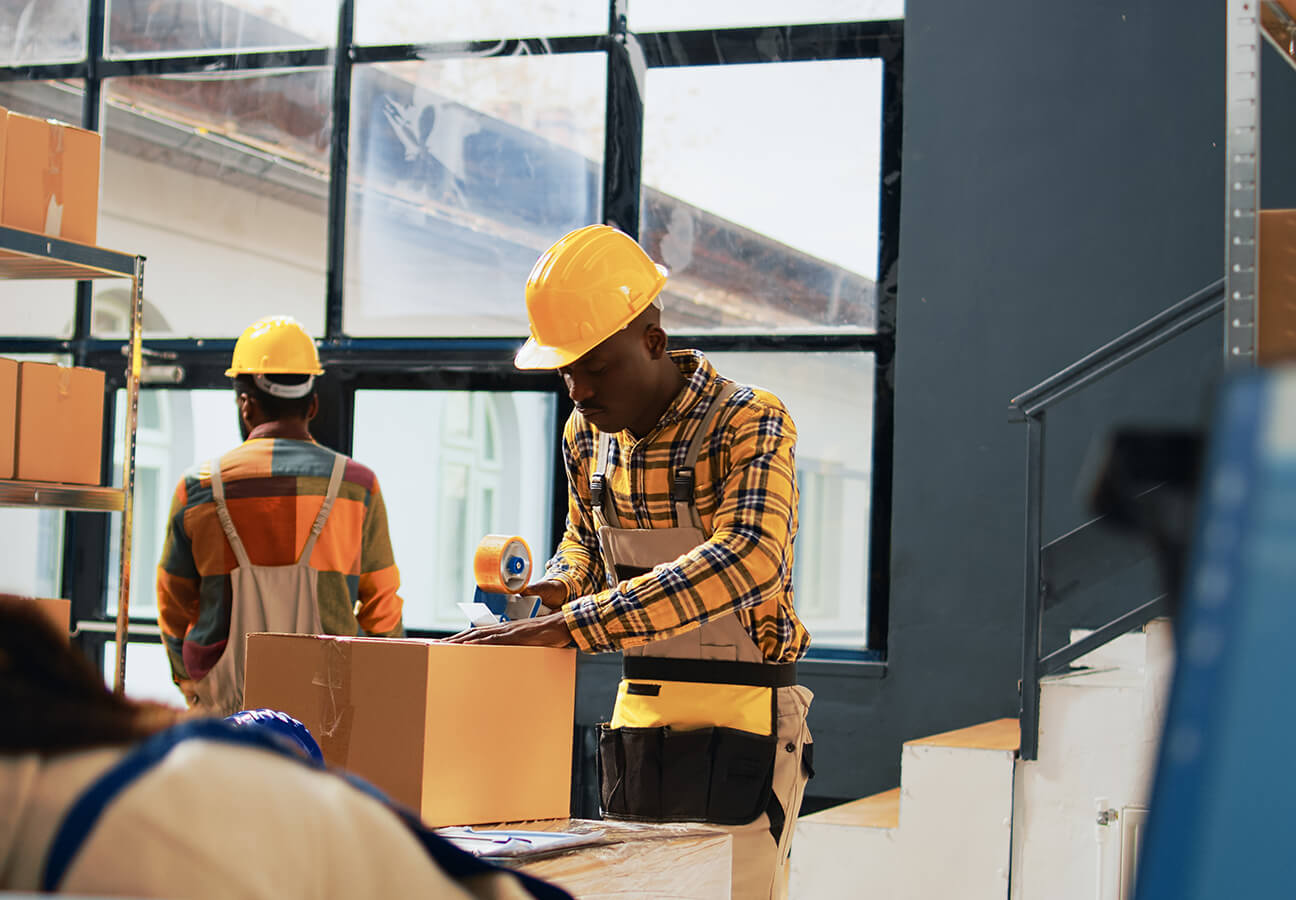
The world of logistics is often associated with grey concrete floors, metal shelving, and the constant hum of forklifts. But if you step inside a modern facility today, you might be surprised by what you see. The humble warehouse is undergoing a radical transformation. It’s no longer just a place to store boxes; it is becoming a living, breathing ecosystem of technology, sustainability, and intelligent design.
At Swift Trace Logistic, we believe that to move forward, you must be willing to redesign. Here is a look at the exciting new trends shaping the future of cargo and warehouse design
From Static Storage to Dynamic Flow
For decades, warehouses were designed for storage. Inventory sat on shelves, waiting to be picked. Today, the philosophy has shifted from storage to flow. The goal is to keep goods moving.
This has led to a complete rethink of floor plans. Modern designs are fluid, with wide, unobstructed aisles that allow for the free movement of automated guided vehicles (AGVs) and autonomous mobile robots (AMRs). Instead of fixed shelving, we are seeing the rise of:
High-Density Mobile Storage: Systems that move entire racks together, eliminating the need for multiple aisles and maximizing every square foot of vertical space.
Automated Storage and Retrieval Systems (AS/RS): These giant, crane-like systems can stack goods to the rafters, retrieving them on demand without human intervention. The design isn’t built around people reaching items; it’s built around machines doing it faster and higher.
The Rise of the Automated Warehouse
Perhaps the most significant change in warehouse design is the integration of robotics. This isn’t about replacing humans, but about augmenting their capabilities. New facilities are being designed with automation as the primary user, not an afterthought.
Robot-Ready Flooring: Floors must now be perfectly level and marked with QR code or magnetic tape guides for robots to navigate.
Dedicated Robot Highways: Smart designs create separate traffic lanes for robots and humans, improving safety and efficiency.
Robotic Workstations: Pick-and-pack stations are being redesigned as collaborative cells where a human works side-by-side with a robotic arm, eliminating heavy lifting and repetitive motion.
This shift is creating a safer, more efficient environment where human workers focus on complex problem-solving while robots handle the repetitive tasks.
3. Sustainability: Building Green from the Ground Up
The modern warehouse is also an eco-conscious one. With climate goals top of mind for many companies, warehouse design is going green in a big way. This isn’t just about being environmentally responsible; it’s also about long-term cost savings.
Key sustainable design features include:
Solar-Ready Roofs: Warehouses have massive roof footprints, making them perfect for solar panel installation. New builds are engineered to handle the weight and integration of extensive solar arrays, allowing facilities to generate their own clean power.
Smart Lighting and HVAC: Motion-activated LED lighting and intelligent heating, ventilation, and air conditioning (HVAC) systems that adjust based on occupancy and outside weather conditions drastically reduce energy consumption.
Cool Roofs and Materials: Using reflective materials on roofs and walls helps reduce the “heat island” effect and lowers cooling costs in the summer.
Rainwater Harvesting: Collected rainwater is increasingly used for landscaping and even for certain industrial processes within the facility.
The Digital Twin: Designing in the Cloud
Before a single shovel hits the dirt, the most innovative warehouses are being designed in the digital realm. Architects and logistics engineers are creating “digital twins”—exact virtual replicas of the planned facility.
This allows them to:
Simulate Workflows: They can run thousands of simulations to see how goods will move through the space, identifying bottlenecks before they are built into concrete.
Test Robot Integration: They can model how different automated systems will interact with the building and with each other.
Optimize Energy Use: They can analyze how sunlight will hit the building throughout the year and adjust window placement to maximize natural light and reduce heating/cooling needs.
The result is a facility that is proven to work efficiently before it even exists.
5. Human-Centric Design for a New Workforce
As automation takes over the dull and dangerous tasks, the human role in the warehouse is evolving. This requires a new kind of space—one designed to attract and retain talent in a competitive labor market.
Modern cargo facilities are incorporating:
Better Break Rooms and Amenities: Comfortable, well-lit spaces for rest and socializing.
Enhanced Air Quality: Advanced ventilation systems are crucial, especially in facilities handling a high volume of goods.
Ergonomic Workspaces: Workstations are adjustable and designed to reduce strain, acknowledging that employees are knowledge workers who also happen to be on their feet.
The Swift Trace Logistic Vision
At Swift Trace Logistic, we are not just watching these trends; we are preparing to implement them. We understand that the future of logistics is not just about moving cargo faster, but about moving it smarter. By embracing new designs that prioritize flow, automation, sustainability, and people, we are building a foundation for the next generation of supply chain excellence.
The warehouse of the future is intelligent, efficient, and green. And it’s arriving faster than you think.




Leave a comment